



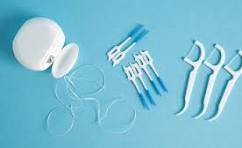
Brushing only cleans about 60% of your tooth surfaces. The other 40% lies right between your teeth, where a toothbrush simply cannot reach. That is where dental floss comes in—it is the only way to disrupt the plaque biofilm and remove trapped food particles before they cause cavities or gum inflammation (gingivitis).
If you are looking to master the technique or just need a quick refresher, the “spool method” is the gold standard recommended by dentists.
How to Floss Properly
Choosing the Right Type for You
If regular string floss feels like a chore, you have options. Finding one that fits your mouth makes building the habit much easier:
-
Multifilament (Nylon/Waxed): The classic option. It comes in flavors and is highly effective, though it can shred if you have very tight teeth or rough dental work.
-
Monofilament (PTFE): A slick, single-strand material that slides effortlessly between incredibly tight teeth without tearing.
-
Floss Picks: Great for convenience or if you struggle with hand mobility. The downside is that you reuse the same tiny segment of string for your whole mouth.
-
Water Flossers: Excellent for cleaning around braces, dental bridges, or implants. While highly effective at clearing larger debris, traditional string is still better at scraping off the sticky plaque film directly from tooth surfaces.





Reviews
There are no reviews yet.